

Autumn Discomfort Doesn’t Mean your Progress is Slipping
As the morning air turns chillier at this time of year, it’s common to notice more stiffness, aching or tension when you move and exercise. If you’re not aware of the impact that this temperature change can have on your body, it may be tempting to worry that somehow your progress is slipping, especially if any symptoms you have felt better over summer and are now seeming to flare again.
The important message to remember is this: discomfort due to the cold does not mean you are regressing. With the right physical and mental preparation, you can stay on track with your progress, work with your body’s natural responses to colder weather, and find ways to reduce its effects on how you feel.
Why colder weather can increase discomfort
In cold conditions, muscle and connective tissues become less elastic and more prone to strain, and the nerve signals to your muscles can slow, which affects your coordination and joint protection. Your joint fluid also becomes more viscous, so your movements can feel stiffer at the start of a session. All of this makes warm-up preparation even more important in autumn and winter than in warmer months.
Lower temperatures will also cause your muscles to contract and your blood flow to slow, particularly in the neck, shoulders, hands, and feet. This can make tissues feel stiffer and more sensitive, and it often encourages us to hunch the shoulders or protect the neck by tensing. That protective posture is often a reflex we don’t even realise we’re adopting, but it can do more harm than good. If your head juts forward or your shoulders creep up towards your ears against the cold, this itself can create pain and poor alignment.

Guard against injury with a warm-up
Jumping straight into your usual exercise intensity is even more tempting when it’s cold, just to warm you up! But this can cause a lot more problems. Muscles that have not been properly warmed up are stiffer, less elastic, and slower to react, which increases the risk of strains, pulls, and tendon irritation if they are asked to work hard before they are properly prepared.
Typical issues linked to insufficient warm-ups in autumn and winter include:
- Muscle strains and pulls, especially in the hamstrings, calves, and around the shoulder
- Tendinitis or tendon flare-ups from repetitive use of cold, under-prepared tissues
- Joint irritation and stiffness, as joints are less mobile at the start of a session
- Poor movement patterns and “guarding”, where the body unconsciously protects cold, stiff areas by overusing others, leading to compensatory pain.
For anyone working with neurological conditions, these risks are compounded by existing changes in muscle tone, coordination, and sensation, making a structured warm-up even more important.
A good cold-weather warm-up has three jobs: raise your core and muscle temperature, increase your blood flow and heart rate, and “switch on” the nervous system so muscles and joints work together more effectively. And don’t skip the cooldown, either – gentle stretching is still important to return your body to a more restful state.

Keep warm to protect your alignment
Use a scarf, neck wrap, or high-collared layer to reduce your exposure to the cold. When the neck stays warm, muscles are less likely to stiffen and “guard,” which helps you maintain a more neutral spine and relaxed shoulders when you’re outside or moving between rooms. Choose soft, breathable fabrics that cover the back and sides of the neck without pushing the head forward or adding excessive weight.
Use warmth and comfort to induce relaxation

Heat is a powerful tool for easing stiffness and encouraging relaxation. Here are some ways to warm up and help you relax tense muscles:
- A warm shower or bath
- An electric blanket or warm wrap to pre-warm the body before getting up or while resting
- A hot water bottle or heat pad (wrapped in a towel) applied to the neck, shoulders, or back for 15–20 minutes
Comfortable rest in a supportive position also matters. Lying supine (on your back) with a small pillow under the knees, or prone (on your front) with a thin pillow under the hips, can help the spine settle into a more neutral alignment and reduce muscular guarding.
Gentle stretching and reactivation
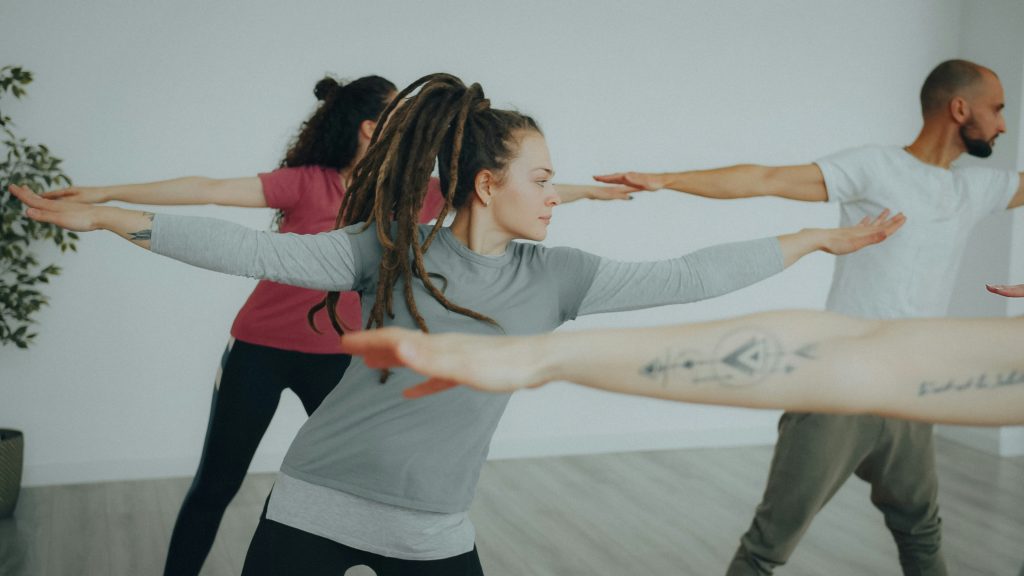
Once the body is warm and more relaxed, gentle stretching can ease tension and means you can safely take corrective actions to align your body.
- Neck retraction (chin tucks): Sitting or lying, gently draw the chin straight back as if making a “double chin,” lengthening the back of the neck. Hold for a few seconds, then release. Repeat 5–10 times.
- Rolling shoulders backwards: With arms relaxed, slowly roll the shoulders up, back, and down, focusing on keeping them away from the ears. Perform 10 slow circles, then reverse.
- Realignment on the floor: Spend 2–5 minutes lying straight in supine or prone on a firm surface, allowing the body to “reset” into a more neutral line from head to pelvis.
Prepare mentally: seasonal change is not regression
It’s easy to interpret this increased autumn stiffness as a step backwards, especially if everything felt a little easier in summer, but your nervous system and tissues are just responding to environmental change, not undoing your progress. This is where a positive mindset becomes an important part of your progress as well.
As outlined in my previous blog on the Power of Belief, viewing these fluctuations as expected and manageable, rather than as failure, will do wonders to combat them. If you believe you’re failing, you become more concerned about what you can achieve, and it’s also likely to manifest in more muscle tension and stronger pain perception.
If you accept that the change is down to the natural temperature fluctuations, and that you can be progressing just as strongly as before, you will have more belief in yourself and more confidence in what you can achieve.
Helpful mental strategies include:
- Reminding yourself: “This is my body responding to colder weather, not taking a step backwards.”
- Planning ahead: scheduling movement earlier in the day, layering clothing, and building in extra warm-up time.
- Focusing on consistency over the intensity of what you’re doing: shorter, regular sessions of gentle movement often work better than occasional longer efforts in colder months.
If you combine physical protection from the cold, thorough warm-ups, targeted relaxation, and a constructive mindset, you can navigate temperature changes and be confident that your physical progress is heading in the right direction, even if it doesn’t always feel that way.

Contact us to explore how we can support you.