
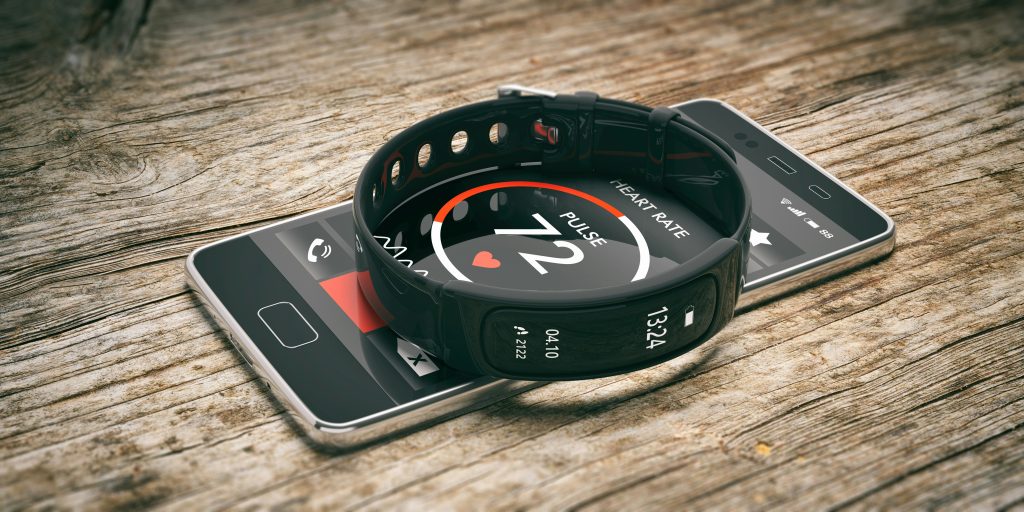
I’m always amazed to see how new developments in technology are helping to transform rehabilitation – it’s making it more personalised, engaging and effective than ever before. From wearable devices to smart home systems, these innovations are helping people to regain their independence, make real improvements to their physical function, and stay motivated throughout their recovery journey. Here’s a rundown of the latest (and most exciting) new innovations I’ve seen in action recently to support rehabilitation.
Wearable Technology
This is one of the most accessible advancements in rehabilitation, and they can be so much help in monitoring your progress. Just a standard fitness tracker will allow individuals, and us as their physios, to monitor activity levels, workout intensity, and sleep patterns and see how they change over time. This data provides such valuable, real-time insight into your progress and recovery, helping both of us to monitor your rehabilitation programme and make the right adjustments.
For example, tracking your daily step counts or heart rate variability can highlight improvements in your endurance, or tell us when more rest is needed. Wearables also make you more accountable! They are literally reporting back on what you’re achieving, and that can really help to keep you motivated to stay consistent with your exercises.
Fall Sensors and Detection Devices
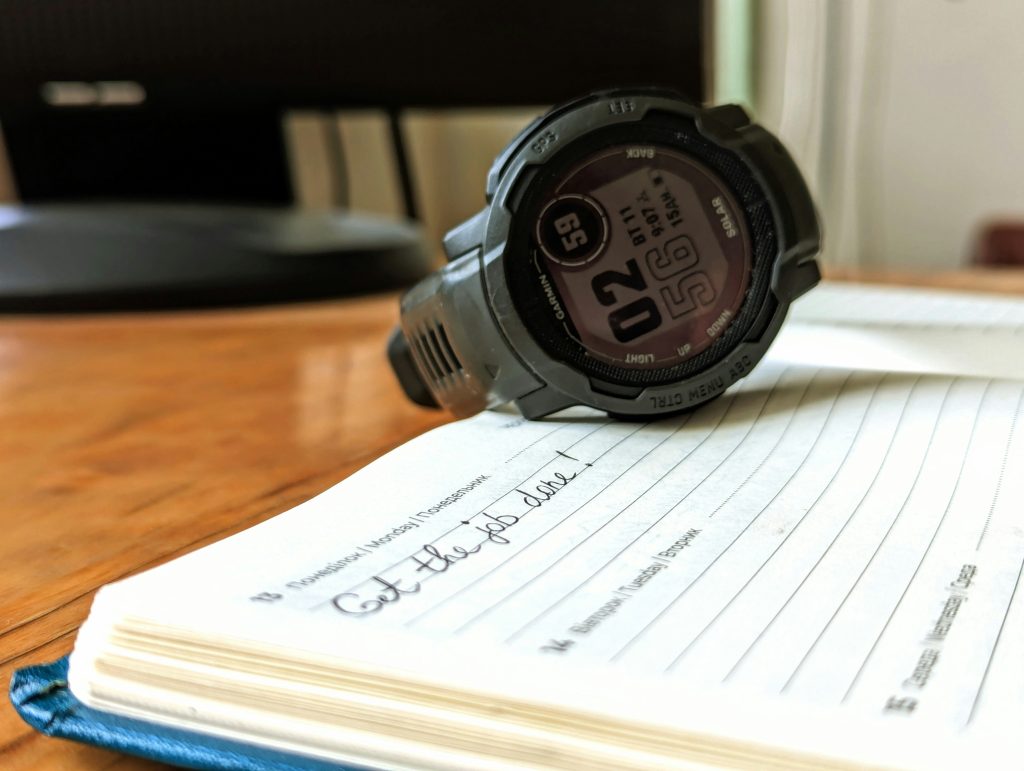
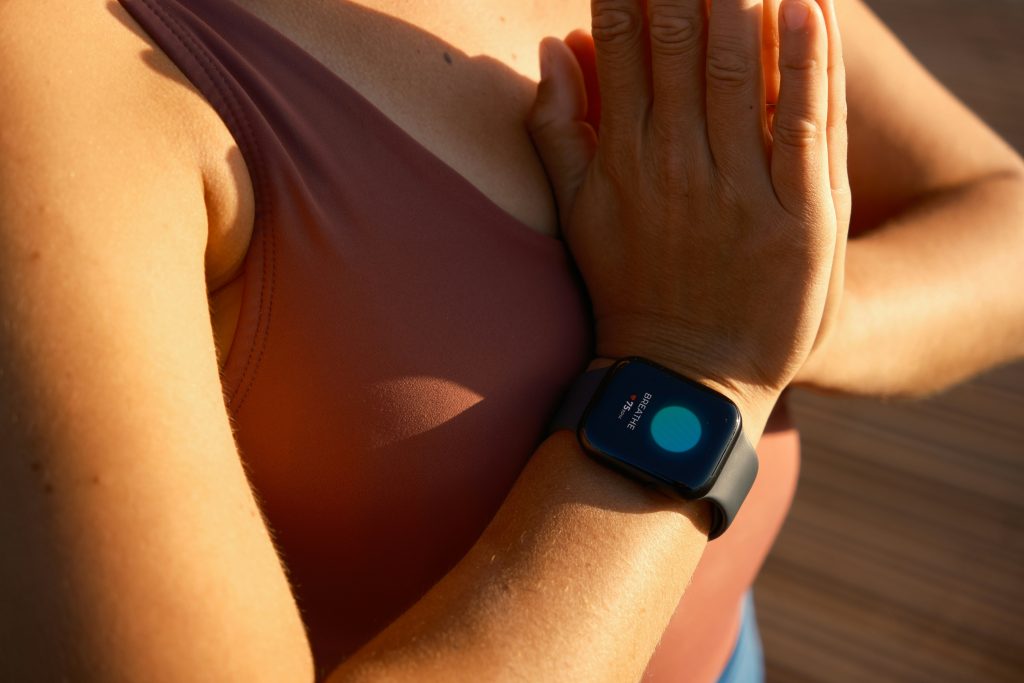
As well as general fitness tracking, specialised sensors within some trackers are starting to play a vital role in safety and condition management. Fall prevention technology can detect sudden movements or impacts, and alert caregivers or emergency services. This is particularly valuable for older adults or people with neurological conditions.
Similarly, seizure detection devices for people with epilepsy can monitor unusual patterns and raise alerts, which could be potentially life-saving.
Electronic Muscle Support
Functional Electrical Stimulation (FES) is another powerful tool in modern rehabilitation. These devices use electrical impulses to stimulate muscles that have weakened or lost function due to injury or neurological conditions. For instance, the Bioness H200 system supports hand function by enabling users to open and close their hand more effectively, improving their ability to perform everyday tasks.
Foot drop stimulators such as the Allard Alfess or the PACE XL by Salisbury Medical Supplies assist with walking by activating the muscles needed to lift the foot during movement. These technologies improve your mobility and also promote neuroplasticity, helping the brain relearn those movement patterns over time.
Remote Rehab
Tele-rehabilitation has massively expanded people’s access to therapy, breaking down the geographical and logistical barriers to consulting an expert. Virtual consultations allow us to discuss and assess your progress, provide guidance, and adapt exercise programmes without requiring an in-person visit every time.
Then there are online classes and structured platforms, such as PD Warrior for individuals with Parkinson’s disease, which offer tailored exercise programmes that are designed to improve strength, balance, and confidence. The idea is to make your rehabilitation programme as convenient and flexible as possible, particularly for those with limited mobility or busy schedules.
Gaming to Gain
Interactive, computer-based activities are also enhancing rehabilitation. Systems like GripAble and the Wii Fit balance board use sensors and visual feedback to encourage precise movements and muscle activation. These devices turn exercises into engaging, game-like experiences, which is often more appealing than exercise on its own! You can work on your grip strength or balance, and get instant feedback on how you’re doing, helping you to adjust and improve in real time. This combination of physical and cognitive engagement can accelerate the amount of progress you make, and makes your rehab a little bit more enjoyable too.
Alexa, Improve My Quality of Life
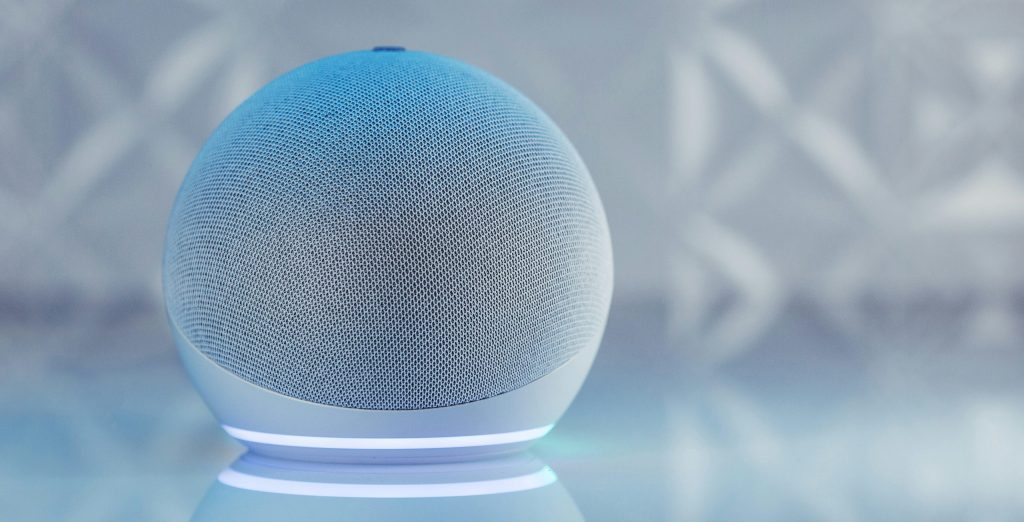
Smart home technology is also supporting independence and safety. Voice-controlled systems allow people to manage lighting, appliances, and other household functions without the physical strain they might normally carry. For someone recovering from injury or living with limited mobility, being able to control their environment through simple voice commands can significantly improve their quality of life. Smart sensors can also monitor movement within the home, providing alerts if unusual patterns are detected, which adds an extra layer of reassurance for everyone.
What the Future Holds…
Beyond these examples, the technology that’s beginning to emerge for the future will continue to shape how you are supported in your recovery.
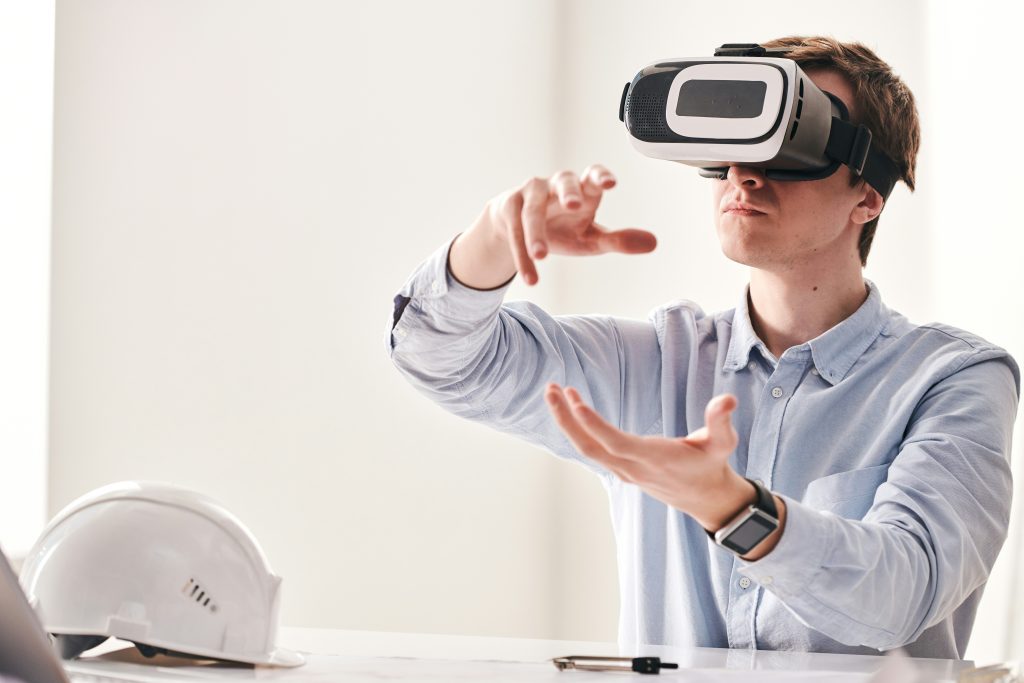
Virtual Reality (VR) is being used to create immersive therapy environments where you can practise real-world activities in a controlled setting.
Robotics and exoskeletons are assisting with walking and upper limb movement, giving you intensive, repetitive training that supports recovery.
Artificial Intelligence (AI) is also beginning to assist with personalising rehabilitation programmes, by analysing user data and making suggestions about the most beneficial interventions. Like any AI-generated information, it needs the careful eye of an expert to analyse the safety and appropriateness of the recommendations, but it’s another great tool to have.
Overall, I would say that technology is not replacing traditional rehabilitation, but it is enhancing it so much. It gives us incredible insights from real data, and it’s increasing accessibility and improving engagement. These things really empower individuals to take an active role in their recovery. As technology continues to evolve, its role in rehabilitation will only grow, and give us all sorts of new opportunities to improve outcomes, and support independence – the ultimate goals of every rehabilitation programme.
Contact us to explore how we can support you.