

Supporting Your Healthy Diet with Supplements – Recovery, Repair and Rebuilding
In previous blogs, we’ve discussed designing your winter workout, the importance of warming up, and the need for proper rest and recovery. This month, I’d like to explore another supportive element in your overall wellbeing plan: using supplements wisely to complement a healthy diet.
To be totally clear from the start, supplements are not a replacement for balanced nutrition. Fresh vegetables, quality protein, healthy fats and proper hydration always come first. However, during periods of injury or increased training, fatigue, or stress (which often rises in winter and early spring as well), targeted supplementation can give you valuable support – and throughout my studies and my practice, I’ve seen firsthand the difference they can make. When used appropriately, certain nutrients can directly support muscle recovery, nervous system regeneration, immune defence, and overall resilience.
Here are some of the most effective options to consider.
As always, consult a qualified healthcare professional before starting new supplements, particularly if you have existing medical conditions or take medication.
Magnesium – Relaxation and Muscle Recovery
Magnesium is one of the most important minerals for the function of the muscular and nervous systems. It supports relaxation, reduces muscle cramps and assists recovery after physical effort.
During injury rehabilitation or intense training, your body’s magnesium demand increases. It plays a key role in muscle contraction and relaxation cycles, helping prevent excessive tension and discomfort.
You can use magnesium in several forms:
- Epsom salts (magnesium sulphate) are added to a warm bath or feet soak. This is ideal for full-body relaxation and recovery after a demanding session.
- Magnesium body oils are applied directly to tight or fatigued areas.
- Oral supplements in a daily dose of at least 300 mg for effective support.
Evening use is particularly helpful, as magnesium also promotes better sleep quality, which is another essential part of tissue repair and muscle rebuilding.

B Complex – Especially Vitamin B12 for Energy and Nerve Regeneration
Omega-3 fatty acids are well known for their anti-inflammatory properties, but their benefits extend beyond that, particularly in neurological repair and regeneration. Following injury, especially when nerves are involved, omega-3 supports neuroregeneration (regrowing or repairing nervous tissue), cell membrane repair, reduced chronic inflammation, and joint comfort.
It also helps to balance the inflammatory response that naturally occurs after tissue damage. A moderate level of inflammation is necessary for healing, but excessive or prolonged inflammation can actually delay your recovery. Omega-3 helps keep natural inflammation at healthy levels.
Turmeric – Reducing Inflammatory Markers
Turmeric has been used as a remedy for centuries, and modern research continues to support its anti-inflammatory effects. Taken consistently, turmeric can help reduce stiffness and support tissue repair.
The active compound, curcumin, helps reduce inflammatory markers in the body. If you’re recovering from injury or dealing with muscle soreness, this can help with comfort and improve your mobility.
A recommended starting dose is 600 mg per day. However, turmeric on its own is not easily absorbed. To maximise its effectiveness, it should be combined with:
- Black pepper (piperine), which significantly enhances absorption
- Ginger, which adds further anti-inflammatory and digestive benefits

Vitamin C – Collagen and Tissue Repair
The Vitamin C connection with immune health is well known, but it also plays a central role in your collagen production. Collagen is a major structural protein in your tendons, ligaments, skin and blood vessels.
When you’re rebuilding muscle mass or recovering from injury, collagen plays a vital role. Vitamin C supports this and acts as a powerful antioxidant, protecting cells from the oxidative stress induced by exercise.
Zinc – Immune Defence and Neurological Support
Zinc is crucial for immune function, particularly during winter and spring when colds and flu are more common. It also plays a role in the function of neurological cells and in tissue healing. When your body is already recovering from an injury, preventing additional stress from illness becomes especially important. Adequate zinc intake can provide that protective buffer.
Vitamin D with K2 – Absorption and Nervous System Recovery
Vitamin D deficiency is common in the UK, particularly during the winter months when sunlight exposure is limited. Vitamin D supports:
- Bone health
- Muscle strength
- Immune regulation
- Nervous system recovery
When paired with Vitamin K2, calcium is channelled into the bones more effectively, rather than building up in soft tissues. This combination improves its absorption and directs it where it’s needed. Vitamin D and K2 together are a brilliant foundational support for your nervous system when you’re rebuilding strength after injury.
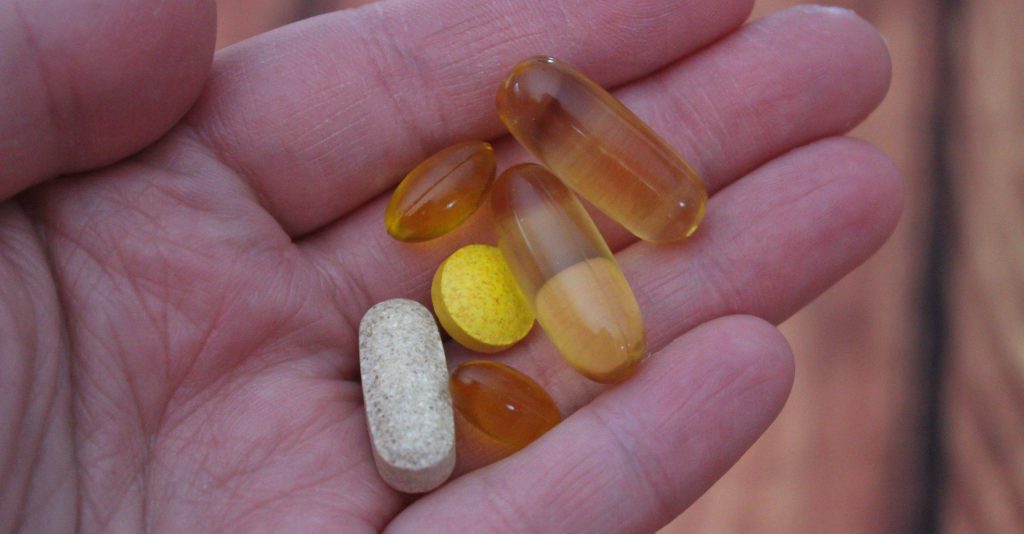
Supplements for Recovery, Repair and Rebuilding
Recovery, muscle rebuilding and nervous system repair are complex processes. Nutrition, rest, progressive exercise and stress management are the pillars, and supplements, when used well, can enhance and build on them.
Magnesium for relaxation, B12 for energy and nerve regeneration, omega-3 for neurorepair, turmeric for inflammation control, vitamin C for collagen support, zinc for immunity, and vitamin D with K2 for structural recovery – together, they form a supportive toolkit for your body. Your body has an incredible ability to repair and rebuild. With the right nutritional support, you simply give it the tools to do so more effectively.
As always, consult a qualified healthcare professional before starting new supplements, particularly if you have existing medical conditions or take medication.
Contact us to organise your assessment and explore how we can support you.