

Many people who find life a daily struggle aren’t aware of the range of practical tools and schemes that can make it a little easier, safer, and more independent. Knowing about what’s available to support you in all sorts of areas can make a real difference to your quality of life, so I thought it might help to share some of the lesser-known schemes you may be entitled to in this month’s blog post.
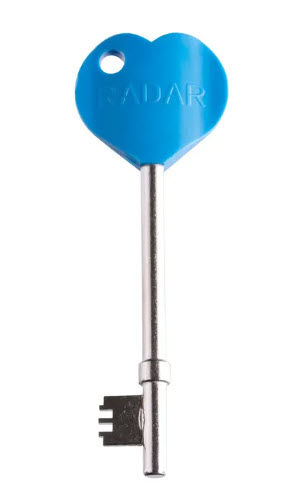
The RADAR key
One of the simplest but most valuable tools is the RADAR key. This universal key gives access to over 10,000 locked accessible toilets across the UK. These toilets are often cleaner, safer, and equipped with features like grab rails and space for mobility aids or carers. RADAR keys are especially useful for people with conditions such as multiple sclerosis, Parkinson’s disease, stroke recovery, or spinal cord injuries, where urgency, fatigue, or mobility challenges can make finding a suitable toilet extra stressful.
You can purchase a RADAR key online or through local councils, and it’s a small investment that can really reduce anxiety when you’re out and about.
The Blue Badge
Another widely known but often underutilised support is the Blue Badge scheme. While many people associate Blue Badges with wheelchair users, the eligibility criteria are broader than that. Individuals with neurological conditions that affect walking ability, balance, coordination, or cause significant fatigue or pain may qualify. This includes conditions such as MS, cerebral palsy, Parkinson’s, or functional neurological disorders.
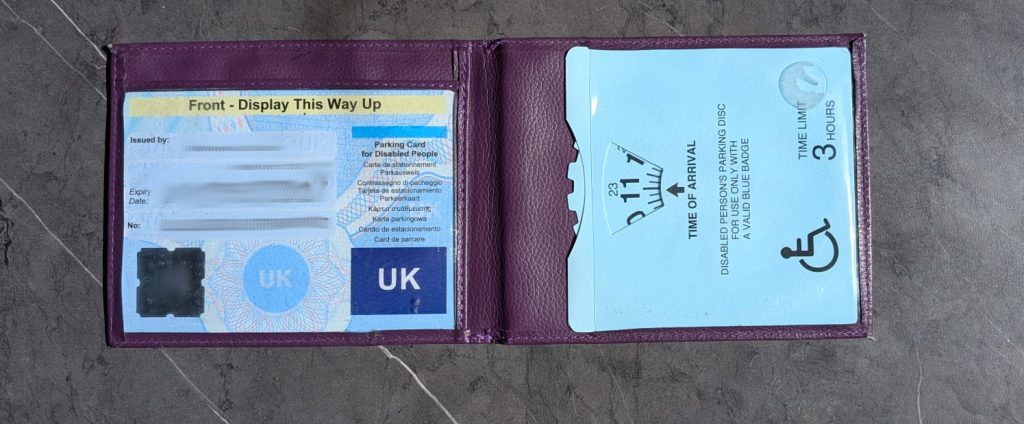
A Blue Badge allows you to park closer to your destination, use designated disabled parking spaces, and in some areas, park on certain yellow lines. The application process involves providing medical evidence, and in some cases, attending an assessment. It can make a huge difference in conserving energy and maintaining independence, and so many holders say it is well worth it.
The Access Card
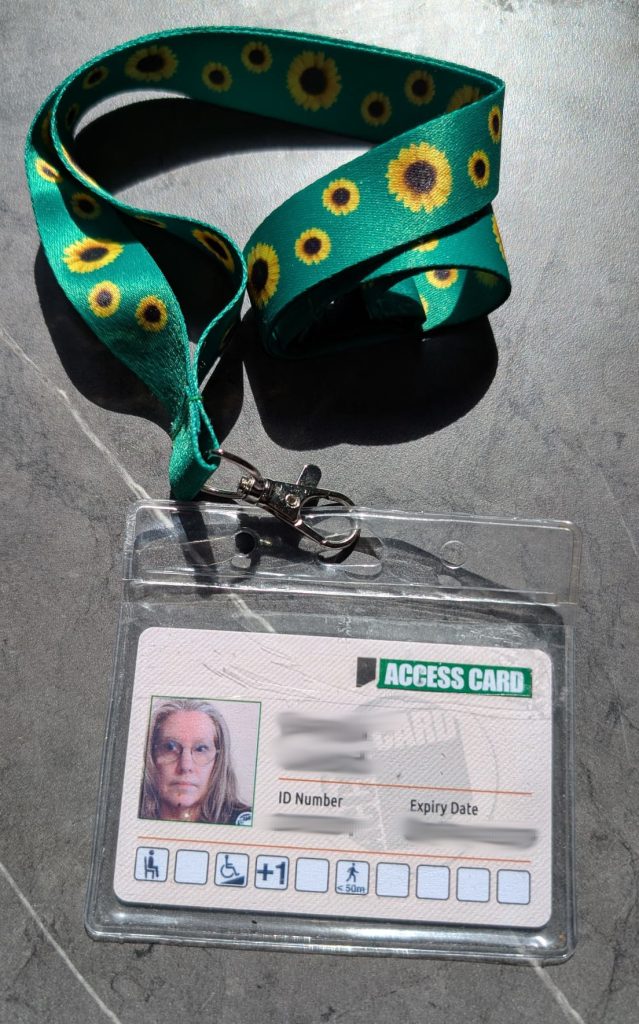
A lesser-known but incredibly helpful option is the Access Card (sometimes referred to in connection with Nimbus Disability). This card is designed to communicate your access needs quickly and discreetly, particularly in venues like cinemas, theatres, stadiums, theme parks and attractions. Rather than repeatedly explaining your condition, the card uses symbols to indicate the support you require, such as step-free access, a companion ticket, extra space, or assistance with queues.
It covers a wide range of conditions, including neurological, sensory, and cognitive impairments. For example, someone with epilepsy might use it to indicate the need for a companion, while someone with a brain injury might use it to request additional time or support. Many venues across the UK and abroad recognise this card, making outings more accessible and less stressful.
Medical ID Accessories
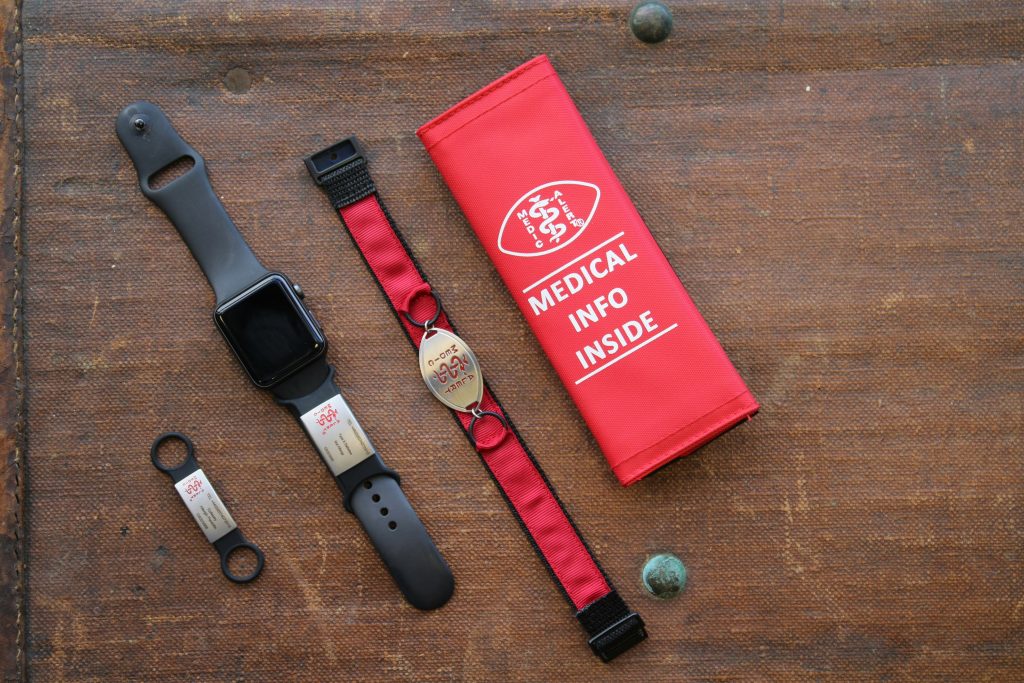
Medical ID bracelets and pendants are another simple but powerful tool, particularly for people with conditions that may affect communication or cause sudden episodes. These wearable identifiers can include essential information such as your diagnosis, medications, allergies, and emergency contacts.
In situations where you may be unable to communicate – such as a seizure, fainting episode, or sudden confusion – first responders and members of the public can quickly understand your needs. Conditions like epilepsy, Parkinson’s, diabetes, and stroke-related impairments are all important to highlight. Modern options range from engraved metal bracelets to discreet QR-code tags that link to a secure online medical profile. Choose one that feels comfortable and suits your lifestyle, and you’ll probably find that you wear it more consistently.
Many of these supports work best when combined. For example, someone with Parkinson’s might use a Blue Badge to reduce their walking distances, carry a RADAR key for reliable toilet access, use an Access Card for smoother entry to events, and wear a medical ID bracelet for safety. Together, these tools can make life much simpler and less stressful when leaving the house.
Financial support and exemptions
In addition to practical tools, there are financial supports and exemptions that many people might not be aware of. If you receive Personal Independence Payment (PIP), particularly the enhanced rate of the mobility component, you may be eligible for a full exemption from vehicle road tax. If you receive the standard mobility rate, you may still qualify for a 50% reduction. This can make a real difference in reducing the ongoing cost of staying mobile.
PIP eligibility can also open the door to the Motability Scheme. This allows you to lease a car, scooter, or powered wheelchair in exchange for your mobility allowance. The scheme typically includes insurance, servicing, and breakdown cover, which can simplify transport and reduce financial uncertainty, which is especially helpful if you’re managing fluctuating symptoms.
Another often overlooked benefit is VAT relief on certain products designed for disability or long-term conditions. If you are purchasing equipment for personal use, such as mobility aids, specialist seating, or some home adaptations, you may not need to pay VAT. This can also apply to installation costs for qualifying items. It’s important to ensure the supplier is aware when you buy, as the exemption usually needs to be applied at the point of purchase.
And don’t get caught out by reforms to parking charges! Traditionally, there have been no parking charges for Blue Badge users, but this is not always the case now, and changes are coming in depending on the policy of each local council. It’s worth checking exactly what the situation is in your chosen car park.
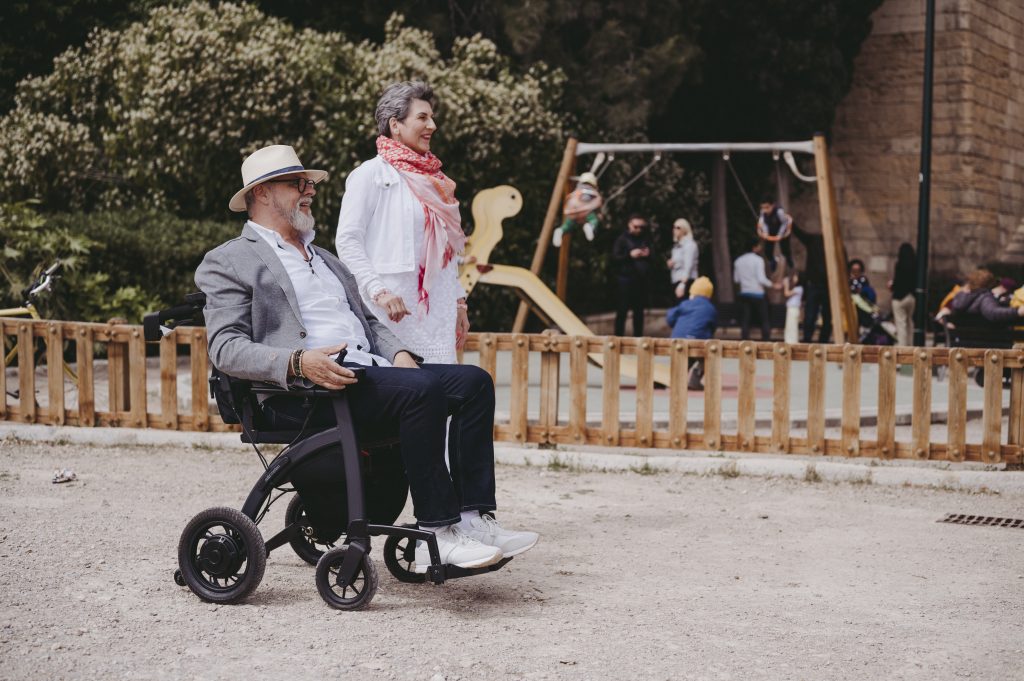
I always encourage my clients to think beyond physical exercises and consider the broader picture of independence and living as full a life as possible. Small adjustments and supports like these can have a big impact on your quality of life, and awareness is often the biggest barrier. Once you know what’s available, you can start making choices that support your independence, safety, and wellbeing in everyday life – and maybe even doing things you might not have thought possible.
Contact us to organise your assessment and explore how we can support you.
Thank you.
I’m not quite in these categories yet but it is very useful and helpful information to have and maybe pass on to those who would benefit.