
Preparation, Progress, Rest and Recovery
After Christmas, we’re still in the darkest months of the year, and it’s so tempting to feel as though you’re not doing enough. Often we feel pretty ready to get moving again after a little festive break, but the dark mornings, chilly evenings and the temptation to stay wrapped up indoors can make exercising feel like a real challenge.
But this is actually a perfect time to figure out a routine you’ve designed just for yourself and your circumstances, that you know will support the areas you need to strengthen, and that you feel able to achieve. Designing it yourself, with your own parameters and plenty of necessary rest and recovery, can help you overcome those motivation dips and get you moving when you need to.
The key is to design a routine with clear objectives, balanced effort and most importantly, proper recovery. Read on for your practical guide to building your own winter workout plan that revolves around three core elements: preparation with a warm-up, clear aims for your main workout so you can measure your progress, and the proper rest and recovery afterwards.

Start with a Clear Aim
Before diving into an exercise routine, it’s essential to understand the goal behind each activity. Your aim will shape the intensity, structure and expectations of your workout.
If your focus is on mobilising, your exercises should be low-level and gentle. The intention is to maintain your current level of performance while preventing stiffness and regression. Mobilisation helps you stay comfortable and functional, especially during the colder months when your joints often feel tighter.
If you’re strengthening, however, that will involve more intensive effort. Strength-focused activities aim to improve your muscle performance and usually include resistance: this might be added weight, a change in loading position, or simply using your own body weight in a more challenging way.
With a clear purpose in mind for your workout, you’ll find it much easier to design it, stay motivated to do it, and track your progress over time.
Part 1: The Warm-Up
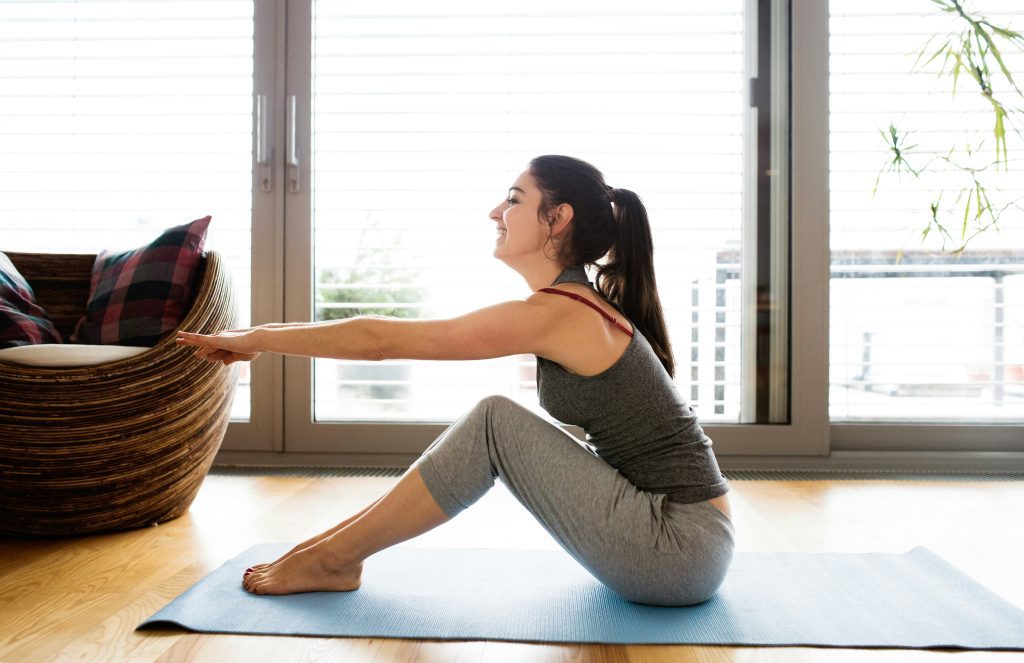
A winter workout absolutely must begin with a proper warm-up. Cold temperatures can make muscles and joints feel stiff, so preparing your body is essential if you want to move safely and effectively.
Gentle Motions and Circulation
The warm-up should include gentle, comfortable movements that increase your circulation and get your joints moving through their full range. Motions such as arm circles, hip rotations, marching on the spot, light squats, or controlled lunges will all wake up the different parts of your body. They will gently raise your heart rate and encourage your body to prepare for the range you’ll need for the main workout.
Gentle Motions and Circulation
Stretching is another key part of your preparation. Aim for prolonged muscle lengthening, ideally holding each stretch for about 30 seconds and repeating 5-8 times on each side.
This style of stretching helps to lengthen tight areas, improve comfort and enhance the quality of your movement in the session ahead. Clearing stiffness before you begin is strongly associated with reduced discomfort and improved performance during the main workout.
Take your time with this phase. A proper warm-up isn’t just a “nice to have” if you have the time – it sets the tone for the rest of your workout, and actually your recovery afterwards as well.
Part 2 - The Main Workout
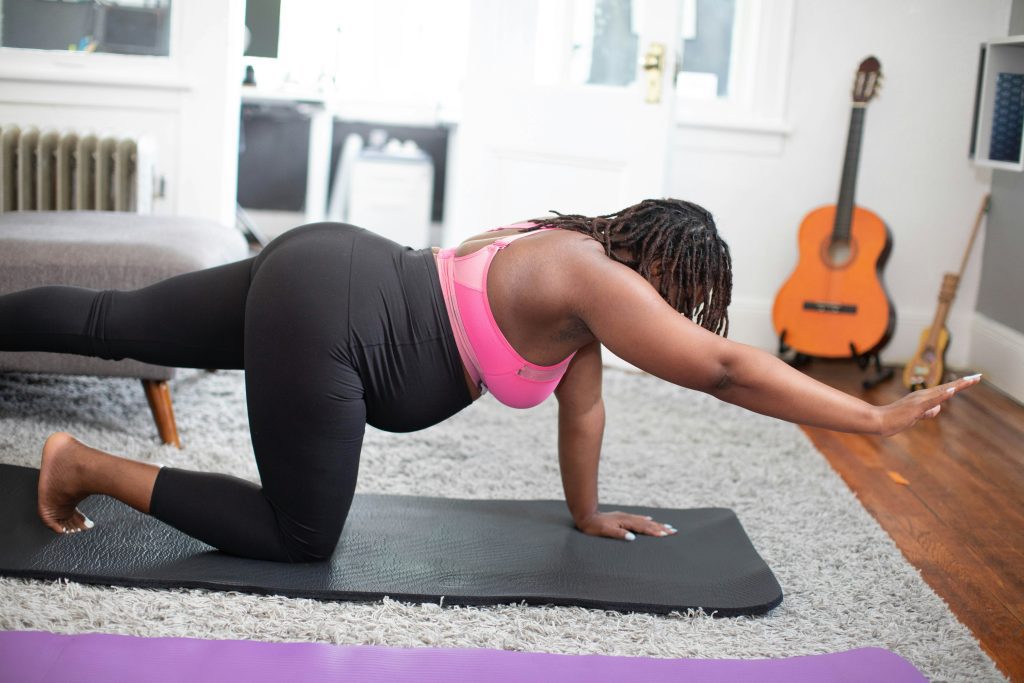
Once your body is warm and ready, it’s time for the main section of your routine. Your workout can take one of two approaches: full-body coverage or targeted training. Remember to consider whether you are mobilising or strengthening as your overall aim.
Full-Body Sessions
A full-body session is excellent if you want an efficient workout that targets the largest muscle groups. Exercises like squats, deadlifts, push-ups, and rows work multiple muscle groups at once and help you build strength more quickly.
Targeted Sessions
If you need to focus on specific body parts, such as arms or legs, you can choose exercises that isolate those areas. This is helpful if you’re working on a particular goal or want more control over your recovery between sessions.
Structure & Repetitions
A balanced winter workout typically includes:
- 3-5 exercises
- 12-15 repetitions
- 2-3 sets if you can tolerate them
If this feels too challenging, start with short bursts of 5-7 reps. Build up to a complete set of 12 reps before attempting multiple sets. Always take a short, sensible break between sets.
Stick to this structure 2-3 times per week for a moderate-intensity routine. Consistency is what gets you results, and regular sessions will build your confidence, strength and momentum to keep going.
Not Just Reps: Other Ways to Challenge Yourself
Repetitions aren’t the only way to progress your workout. In faster-paced routines, such as HIIT (high-intensity interval training), you take a short rest in between bursts of exercise. Reducing that rest time can significantly increase the challenge. For instance, cutting the break between full-intensity sets from 45 seconds to 30 seconds makes your body work harder, helping you improve cardiovascular fitness and endurance.
Just remember: progress should never come at the cost of safety or well-being. Listen to your body and adjust the intensity accordingly.
Part 3 – Recovery and Rest Matter Just as Much as Action
It can be tempting to push yourself hard, especially when you’re eager to see results. But rest is just as important as exercise itself.
Rest allows your muscles to regenerate and adapt, creating the changes you’re aiming for. If you don’t rest adequately in between, your workouts may actually become less effective, and you’re at risk of injury, fatigue or burnout.
Balance is the goal. Mindfulness and awareness of your current condition help you stay in tune with what your body needs.
Recovery: The 24-48 Hour Window
After your workout, the recovery phase begins. Within 24-48 hours, you may feel:
- Delayed muscle soreness
- Tightness or stiffness
- Mild discomfort
These sensations are normal, especially if you’re working new muscle groups or increasing intensity..
Active Recovery
Gentle movement is your best friend here. Mobilising again in a lighter version, such as:
- Easy walking
- Relaxed cycling
- Gentle stretches
- Slow, controlled motions
This increases circulation, reduces stiffness and prepares your muscles for the next session.
Recovery is about supporting your body so you can return to your next workout feeling capable and comfortable.
Your Winter Wellness
Winter doesn’t have to mean losing your progress or hibernating until the sun returns. When you’ve designed your own winter workout thoughtfully, building in targeted effort, consistent progress and nurturing recovery, it all becomes much easier to get going. With clear aims and a balanced approach, your winter training can become a rewarding routine that supports both your physical health and mental well-being – ready to make the most of those lighter days when they do arrive.

Contact us to find out how Neuro Physio Direct can help you