
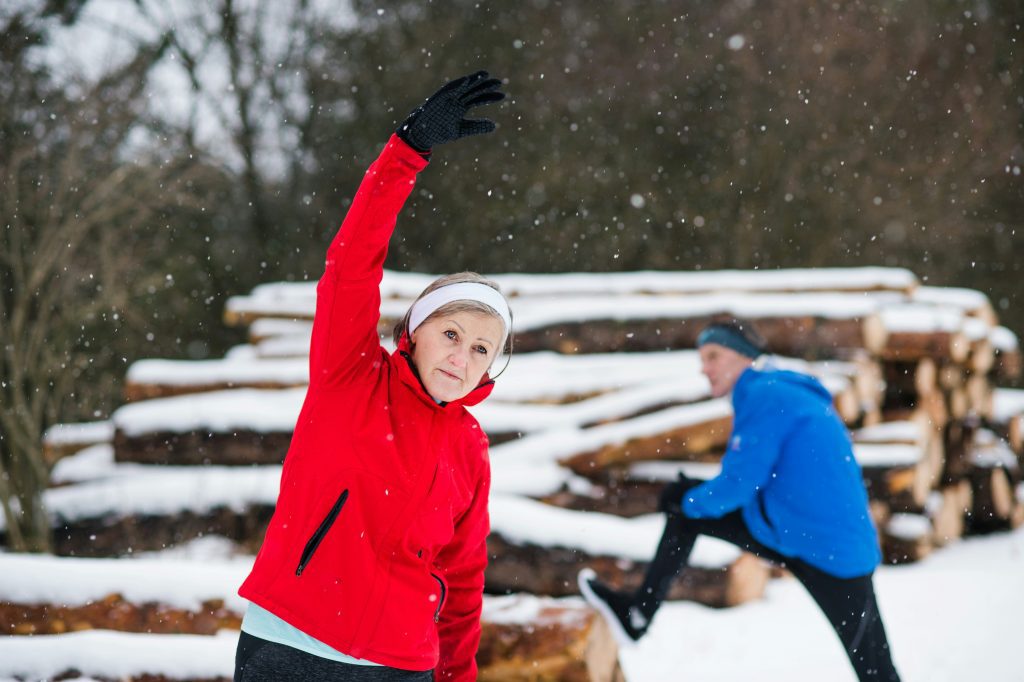
When the colder months settle in, it can be tempting to rush through your workout or skip the warm-up entirely, especially if you’re eager to get moving and generate some heat. But winter is the season when your warm-up matters most, and the risks of not preparing properly for exercise are much higher. Plus, it actually makes your workout safer, more enjoyable and gives you greater benefits!
In this post, we’ll look at why warming up is so important in winter, and I’ll give you some helpful stretching tips you can use straight away, so you’re all set up for smooth, comfortable exercise that has all the benefits you want it to.
Why a Warm-Up Matters More in Cold Weather
A proper warm-up is a crucial preparation for any exercise, regardless of the season, but winter brings extra challenges. When your body is cold, muscles and connective tissues become tighter, reducing their ability to stretch and respond quickly. This can impact your range of motion and slow down your reaction times.
The ultimate purpose and benefit of warming up is to:
- Prevent injury
- Prepare your muscles and joints for good functional movement
- Increase circulation and tissue temperature
- Improve overall comfort for you when you move
A warm, well-prepared muscle is more responsive, stronger, and better able to stabilise your joints. This means your workout won’t just feel better, it will also work better all round – lengthened, flexible muscles are capable of producing higher power output and stabilising your movements more effectively.
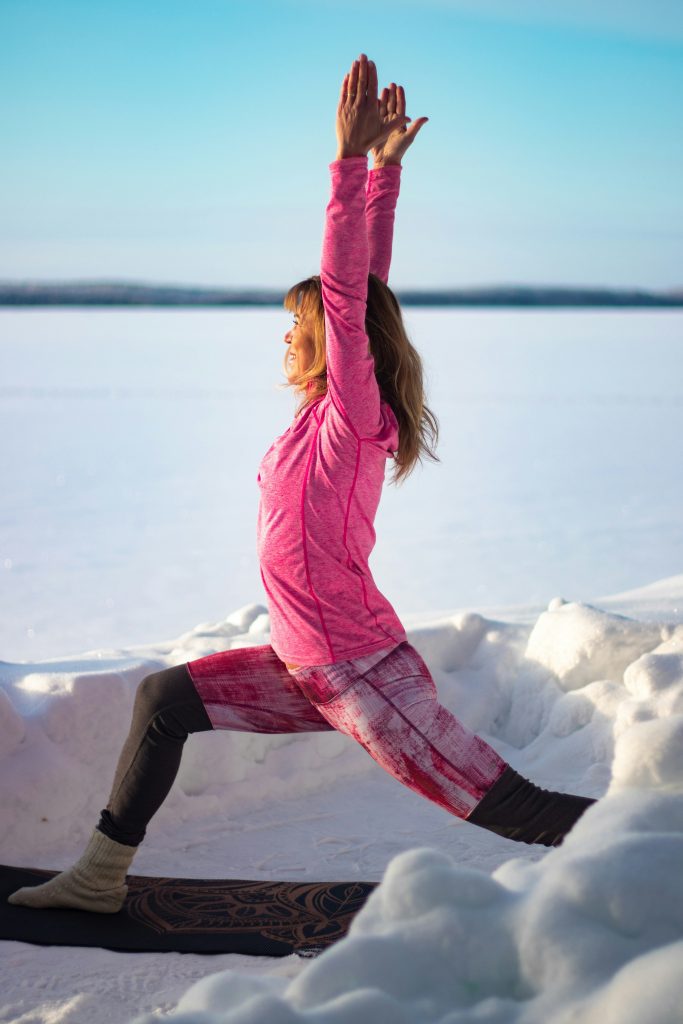
Stretching Tips for Winter Workouts
Stretching is an excellent way to prepare the body for good performance. Here are some practical stretching guidelines you can follow:
1. Lengthen the target muscle group, and use your body weight and positioning to create a gentle but effective stretch.
Examples include:
- Placing your hand on a table while standing, allowing your body to lean forward and open your wrist, elbows and shoulders.
- Leaning over a straight leg to help release tension in the back muscles.
When you position yourself correctly, your body naturally assists with the stretch and supports further lengthening without forcing or straining anything.
2. Hold each position for up to 30 seconds, keeping your breathing steady and relaxed. Avoid holding your breath, as this can increase tension and reduce the effectiveness of the stretch. Slow, regular breathing encourages the muscles to relax and lengthen.
3. Repeat 5-8 times, as this helps to resolve stiffness and gradually improves comfort. Over several rounds, you’ll feel your range of motion expand, and your muscles respond more fluidly.
Repeat these steps for all major muscle groups involved in your workout. This ensures that each part of the body is warmed up for the specific actions you’ll be performing, whether that’s strengthening, mobilising or a mix of both.
Don’t Forget Gentle Circulation Movements
Before or alongside your stretching, include some light circulation exercises. Gentle movement in both directions, also performed 5–8 times, can help to mobilise your muscles through their full range. Examples include:
- Shoulder circles
- Hip rotations
- Ankle mobilisations
- Wrist rolls
These movements help to “wake up” your joints and prepare your body progressively, rather than jumping straight into intense activity.

Deep Breathing, Relaxation and Hydration
Deep breathing during your warm-up reduces stimulation of the nervous system and enhances relaxation. This helps you settle into each stretch more quickly and decreases discomfort.
Hydration also plays a significant role in flexibility. Well-hydrated soft tissues glide and stretch more easily. If you’d like to understand this in more detail, feel free to revisit our previous blog about how to Hydrate to Make Movement Easier.
Dress Up for Outdoor Workouts
If you’re exercising outside in winter, your clothing can make a big difference. When your muscles get too cold, they may respond with involuntary contractions, making movement feel stiff or jerky. Good gear doesn’t need to be bulky. Modern thermal fabrics offer warmth without restricting your movement so much, giving your muscles the ideal environment to perform well.
Choose comfortable, warm layers that you can take off if you’re too hot, or put on if your temperature drops. Thermal sportswear is light, flexible and helps maintain body temperature, and materials that wick moisture away from your skin are ideal, because they will prevent the chill that comes from damp clothing.

Your Broader Winter Training Routine
Warming up in winter isn’t just helpful, it’s essential. Take a few extra minutes to loosen your muscles, support circulation and prepare your body, and you will be giving yourself the best chance of a smooth, comfortable and enjoyable workout.
Your winter warm-up forms part of a bigger picture of your health this season. If you haven’t yet read our posts on Designing Your Winter Workout and Rest and Recovery, they can offer even more support in building a safe and effective winter exercise routine.
Stay warm, stay active, and treat your body kindly this winter with a well-planned warm-up, the right clothing choices and good recovery habits. They will all work together to keep you moving well, no matter how cold it gets.
Contact us to find out how Neuro Physio Direct can help you